Book Appointment Now
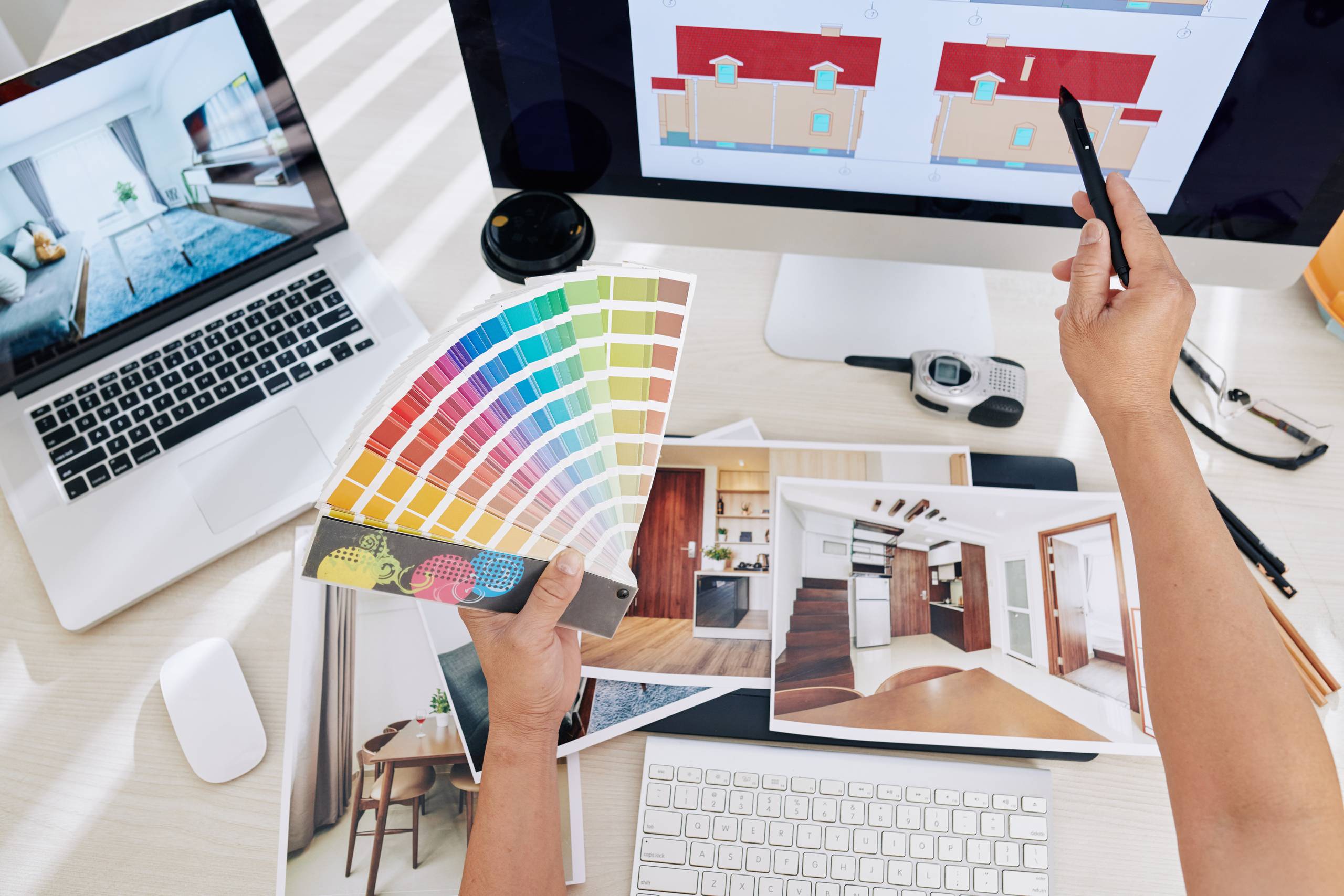
The Power of Color Psychology in Interior Design
Whether looking to create a positive or negative effect, color psychology offers a wealth of insights that can be applied to design choices. From calming blues and whites that promote relaxation, to vibrant oranges and reds that stimulate energy and excitement, understanding how colors influence human behavior is essential for designing spaces that achieve their intended purpose.
Color is one of the most potent color-shaping tools at your disposal and is the most subjective. How we respond to color depends on many factors, including our personal experiences, cultural backgrounds, and even our ages. So, take note that this guide is meant to share the most common color responses, but it is by no means comprehensive. Warm colors, such as terracotta, golden brown, and salmon, can make a room feel cozier and more intimate, encouraging conversation among those in the room. Cooler colors, such as sage green, blue gray, and mauve, can create a sense of calm and help the inhabitants of the room sleep. Knowing how colors affect human psychology helps designers make informed decisions about the colors they use for each space.
Research on the way color influences us suggests that colors effect the brain before the eyes even notice a difference. Red increases heart rate and appetite, which is why it is a popular choice for dining rooms and entertainment areas. It is also why too much red can be so over powering and stressful. Blues and greens bring down blood pressure and give the sense of calmness and refreshment. This is why these colors are so popular in bedroom, bathroom and meditation room design. Neutral colors offer a versatile color scheme that won’t compete for attention when the color of a throw pillow or pillow cover needs to change with the season, or as the owners’ color preference evolves. Similar shades of the same color, such as gray with purple undertones or beige with golden undertones, add diversity without discord. Using this process, color selection becomes second nature, and harmonizes with the way we live.
While emerald and navy suggest sophistication and abundance often used in classical and bohemian decorating. However, for someone who grew up in an attic bedroom painted white, white may be an oppressive color, or for someone who have many happy memories of his grandma’s emerald dress, emerald may be the warmest color. This is why it’s always suggested to test the paint on different walls before committing to a color. Natural light changes the way we perceive colors. An icy color may appear friendly at noon when the sun is high, but it can be cold and unforgiving when the day grows dark.
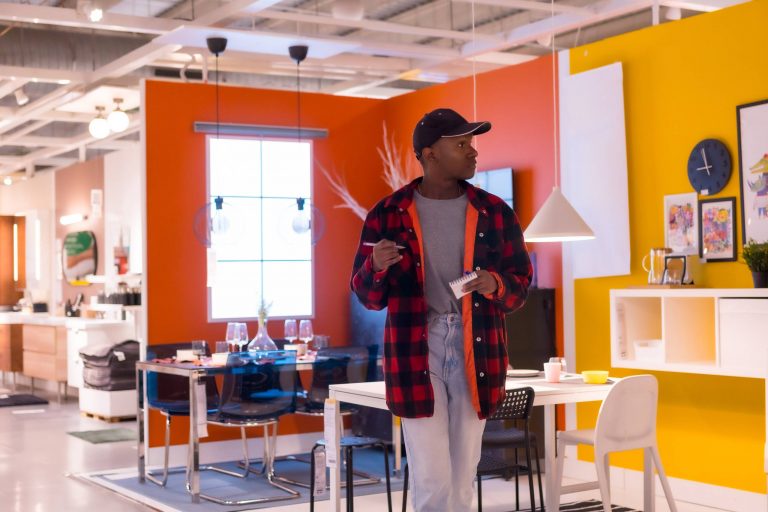
Color psychology goes beyond painting the walls in your favourite hue. Accent walls can give a space a boost of energy without overpowering it, and different shades of the same color used on the ceiling, trim and furniture keep the space interesting and engaging. Colourful throw pillows, area rugs, and wall art are easy ways to add a pop of color to your space, and can be changed out seasonally or with the holidays. Color can be used in multi-functional spaces to create different “zones” that differentiate a living space from a dining or home office space.
Finally, color psychology allows interior designers to create spaces that serve a purpose and foster feelings of happiness, efficiency, and harmony. As the world continues to pivot to more holistic living, the role that color plays in our homes will become more and more pronounced. By tapping into the logic and art of color psychology, homeowners can build spaces that are not only beautiful, but that will enhance their day-to-day lives for years to come.